


06 Abr What is Jet Lag?
What is it and why does it occur?
People are governed by the circadian rhythm, which is a sort of internal clock that helps biologically regulate our sleep and wake times. Typically, this clock synchronises with the periods of light and darkness where we live and the schedules we’re accustomed to for our activities. Thus, this synchronisation signals us to be active during the day and to sleep at night.
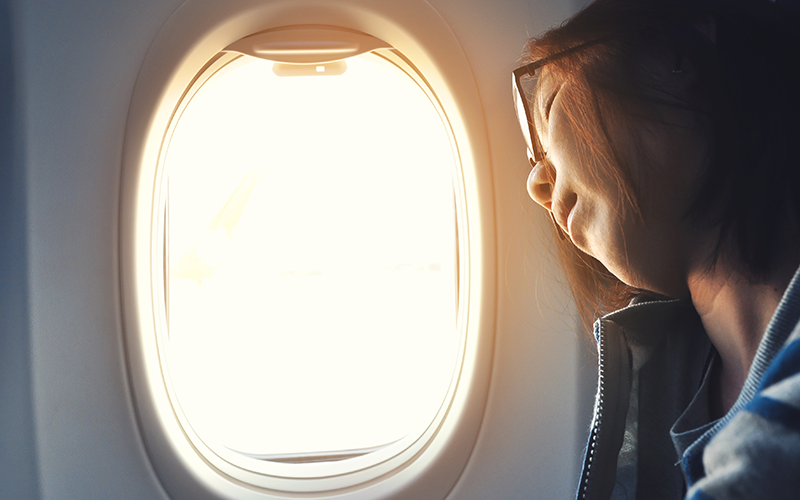
This clock is located in the brain (specifically, in the hypothalamus) and spans cycles slightly longer than 24 hours. When we cross multiple time zones, we are either adding or subtracting hours, depending on the direction of our travel.

Therefore, after a long-distance or transoceanic flight, a person’s internal clock tends to prevail over the new time zone of the destination, especially when travelling eastward, in the opposite direction of the body clock. This mismatch between the daylight hours of the destination and our usual sleep schedule causes a disorder known as jet lag or jet lag syndrome, and is more likely to occur when there is a difference of more than 5 time zones between the point of departure and the destination.

The body reacts with tiredness and headaches
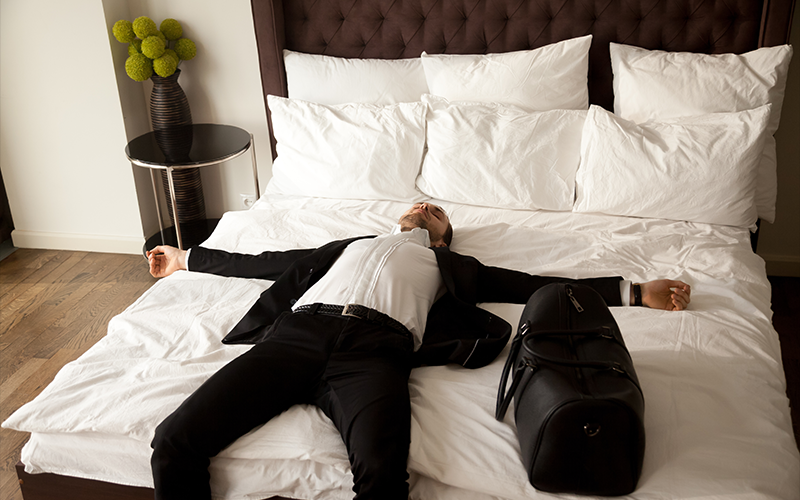
Jet lag occurs when the internal clock must adjust to the new schedule in a short amount of time, which can cause the traveller to experience certain discomforts:
– General fatigue and tiredness.
– Daytime sleepiness.
– Difficulty falling asleep at night.
– Headaches.
– Lack of concentration, decreased physical and intellectual performance.
– Irritability, anxiety.
– Loss of appetite, feeling of fullness.
– Weariness.






















Sorry, the comment form is closed at this time.