

12 Feb Culinary History: Gastronomy of Ecuador
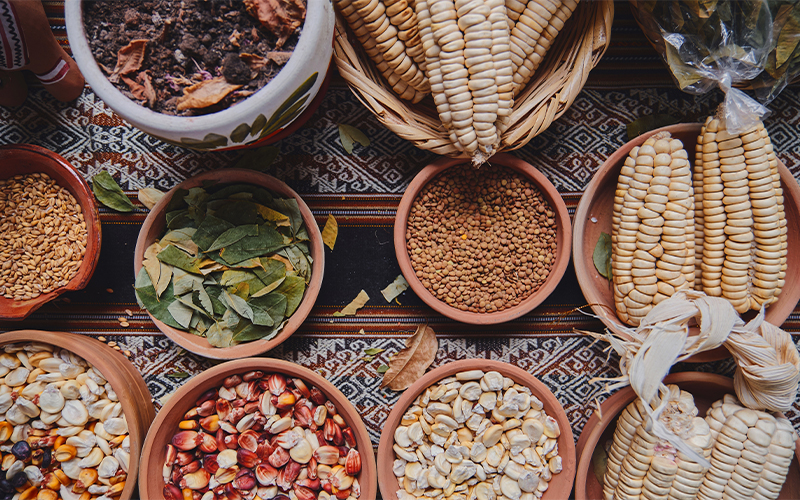
Ecuador’s gastronomy is a cultural treasure that blends Indigenous, African, and European influences, reflecting centuries of history and diversity in every dish. From the coast to the Andes, Ecuadorian flavors tell stories of mestizaje and culinary creativity. Here we explore ten delights that capture the essence of this rich tradition.

The shrimp ceviche, fresh and vibrant, is a jewel of the Ecuadorian coast. Its mix of marinated shrimp with lemon, onion, cilantro, and tomato encapsulates the taste of the sea, perfect for warm days.

From the Andean heights comes llapingacho, a potato tortilla filled with cheese, accompanied by chorizo, egg, and avocado. This dish reflects Indigenous heritage and the versatility of the potato, transforming it into an unforgettable experience.

Seco de chivo is a showcase of Afro-Ecuadorian influence, with goat meat slowly cooked in a peanut sauce, served with rice, plantains, and salad. Its complex flavors make it a treat for the most curious palates.

Encebollado, a fish broth with tuna, yucca, and onion, is the king of coastal breakfasts. Comforting and full of character, it demonstrates how marine ingredients have shaped Ecuadorian cuisine.

Hornado, slow-roasted pork to perfection, is a favorite during festivities. Served with mote and llapingachos, it celebrates patience and the art of traditional cooking.

In stews, guatita stands out with its mix of offal, peanuts, and spices. Though its appearance might surprise, its flavor will captivate those seeking authenticity and culinary depth.

For a quick snack, the empanadas de viento, light and crispy, are a delicious option. Filled with cheese, they are a symbol of ingenuity in Ecuadorian street food.

Morocho, a sweet corn atole with milk, cinnamon, and panela, offers a comforting end to any meal, reminding us of the importance of local ingredients in Ecuadorian desserts.

From the coast, bolón de verde reinvents green plantains into a savory ball with cheese, pork crackling, and egg. Its blend of textures is a unique delight for the senses.

Finally, fanesca, a traditional Easter stew with grains and dried fish, celebrates the union of Indigenous and Spanish traditions. This festive dish is a reminder of how food connects culture and faith.




















Sorry, the comment form is closed at this time.