


06 May Fort Apollonia: Preserving History on Ghana’s Coas
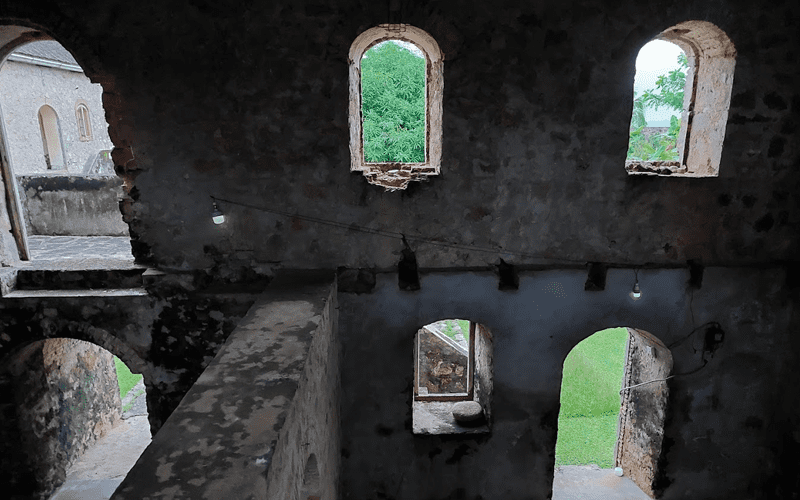
Fort Apollonia, located in Beyin, Ghana, within the Amansuri wetland, is a testament to the historical significance of this coastal region. Its name, Apollonia, was bestowed by a Portuguese explorer who first sighted it on the Feast of Saint Apollonia, 9 February. The fort’s history is intertwined with the colonial endeavors of European powers.
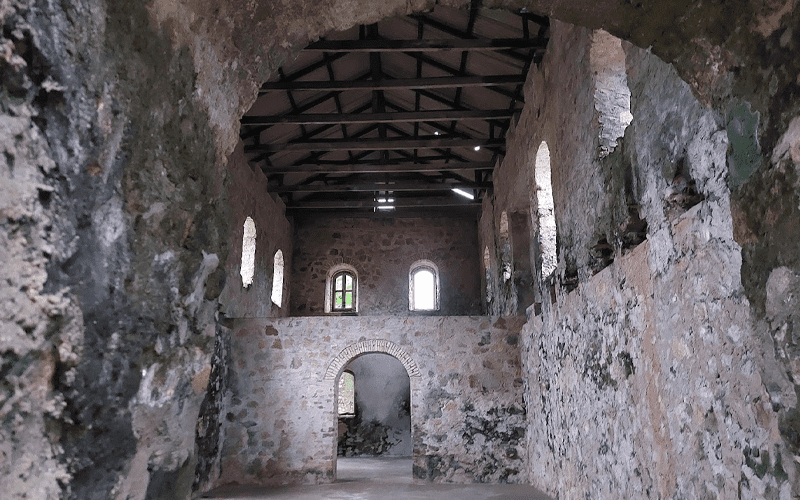
The Swedes established a trading post at Apollonia during the period of 1655-1657 as part of the Swedish Gold Coast. Subsequently, in 1691, the British erected their trading post at this location, which was expanded into a full-fledged fort between 1768 and 1770. With the abolition of the transatlantic slave trade, the fort was abandoned in 1819 but reoccupied from 1836 onwards.
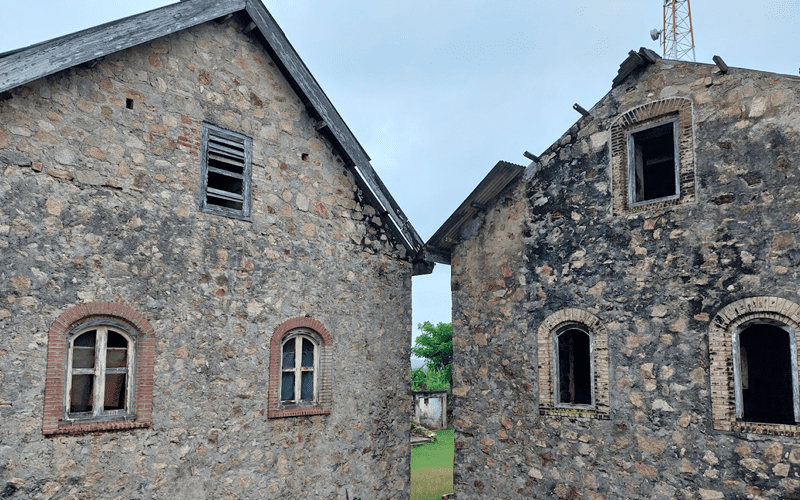
In 1868, the fort changed hands in a significant exchange of forts between Britain and the Netherlands, leading to its renaming as Fort Willem III, in honor of King William III of the Netherlands. Just four years later, on 6 April 1872, the fort, along with the entire Dutch Gold Coast, was transferred back to the United Kingdom, following the Gold Coast treaty of 1871.
The restoration of the fort took place between 1962 and 1968, ensuring its preservation as a historical landmark.
History
Before 1670, no fort existed west of the River Ankobra in Beyin (now in Ghana’s Western Region), except for the temporary French fort at Assini. All trade goods, including gold and slaves, were brought to the coast, attracting captains of various nationalities seeking to secure these valuable commodities.
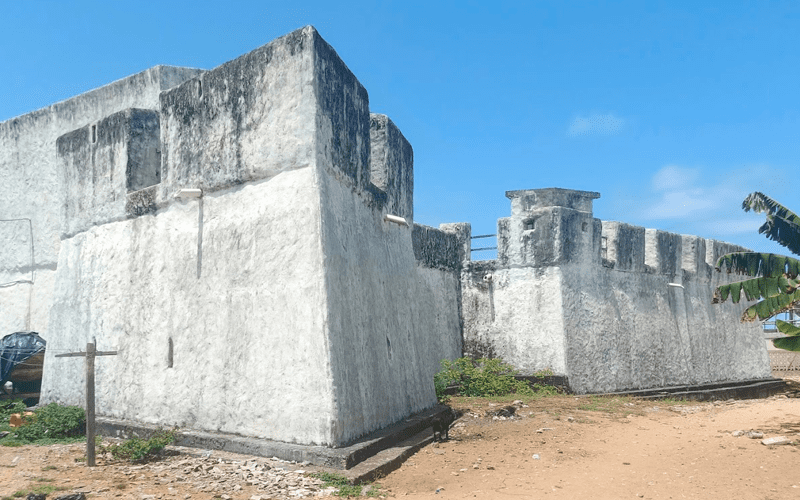
To counter Dutch colonial ambitions, which had led to sporadic conflicts in the Nzema country (Apollonia), and to facilitate trade, Nzema Chief Amenihyia granted permission to the English Committee of Merchants to construct a fort at Beyin. This fort was built on an elevated platform known as Cape Apollonia. In 1766, the search for construction materials began, and two years later, construction began on the final fort established by the English on the Gold Coast. The name “Apollonia” was first given to the area by a Portuguese explorer who sighted it on St. Apollonia’s Day.
The fort’s significance waned with the end of the slave trade, leading to its abandonment in 1819. It changed hands in 1868 as part of the exchange of forts between the British and the Dutch, resulting in its renaming as Fort Willem III. In 1872, it reverted to British control.
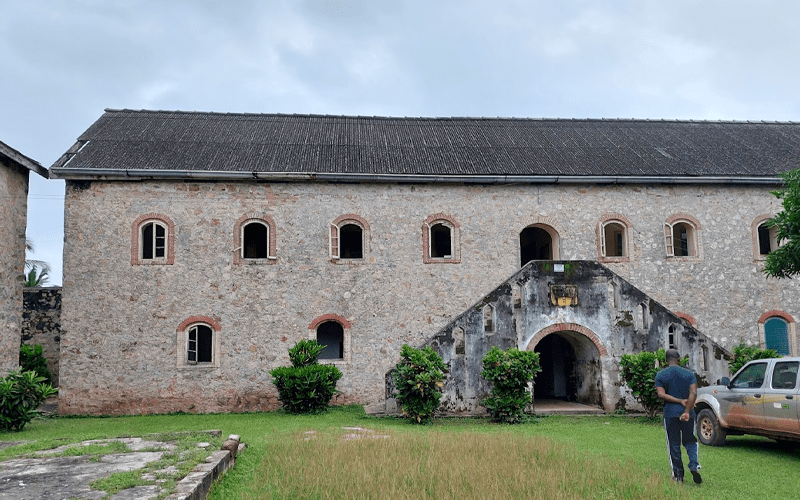
The fort faced bombardment by a British gunboat in 1873 during a British attack on Beyin, as a consequence of its coalition with the Asante Kingdom. This event marked the decline of the fort, and it fell into disrepair. However, in the 1960s, the Ghana Museums and Monuments Board embarked on a restoration project, and the fort found new life as a rest house.
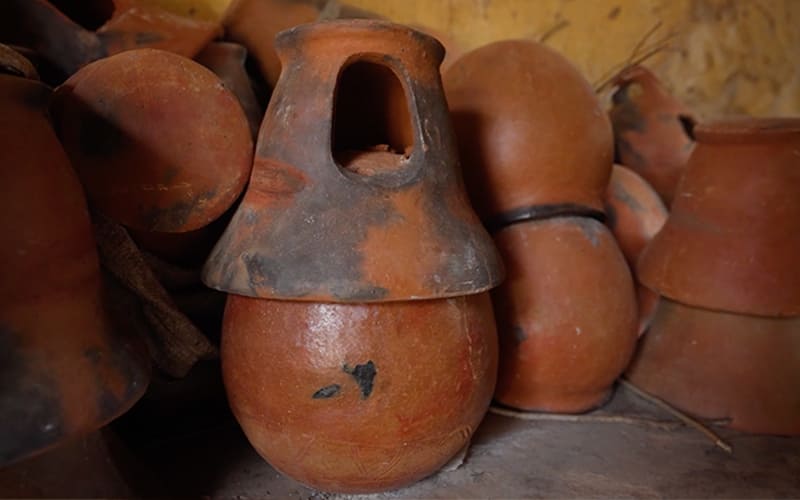
Today, Fort Apollonia is home to the Museum of Nzema Culture and History, which was inaugurated in 2010. You can visit from 9:00 am to 4:30 pm. Beyin is located 90 km west of Takoradi along the Accra-Takoradi road.

















Sorry, the comment form is closed at this time.