

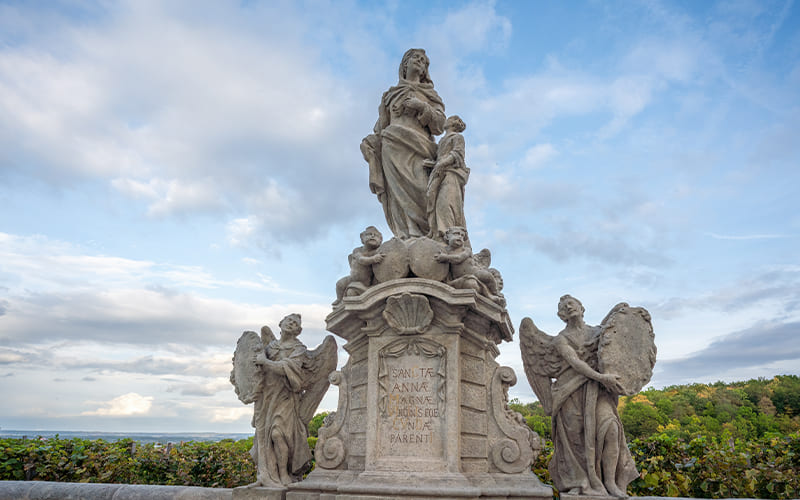
13 Ago The Origin of “Visitable” Monuments: From Symbol to Tourist Destination
Today, many historical monuments are not just admired from the outside — they are explored from within and experienced as cultural journeys. But this idea of the “visitable” monument hasn’t always been the norm. In their origins, monuments were built for symbolic, commemorative, or religious purposes — not necessarily to welcome visitors.
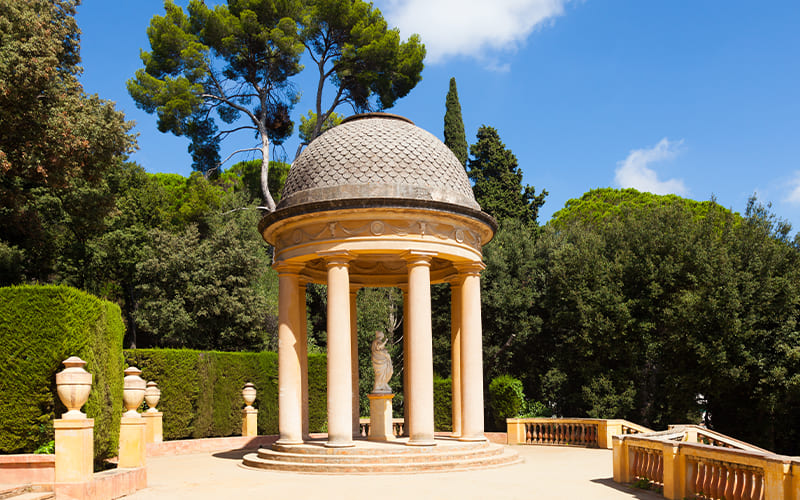
During Antiquity and the Middle Ages, monuments like temples, castles, or pyramids had restricted access. Only priests, nobles, or certain social classes were allowed inside. Over time, especially from the 18th century onward, the rise of Enlightenment thinking and growing interest in history and art sparked a shift: cultural tourism began to take shape.
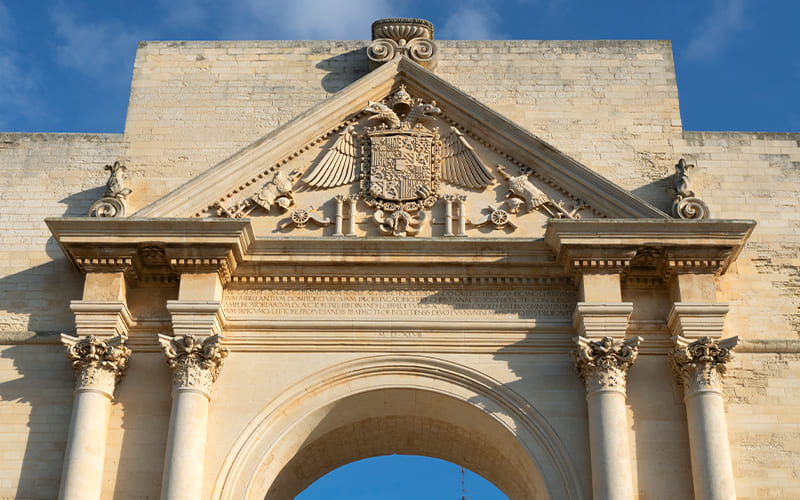
In this context, some monuments started to open their doors to the public. The ruins of Pompeii, for example, excavated in the 18th century, quickly became a must-see stop on the “Grand Tour” — an educational journey undertaken by young European aristocrats. Later on, with the creation of national museums and a growing appreciation for heritage, visiting monuments became a popular and accessible activity for the general public.
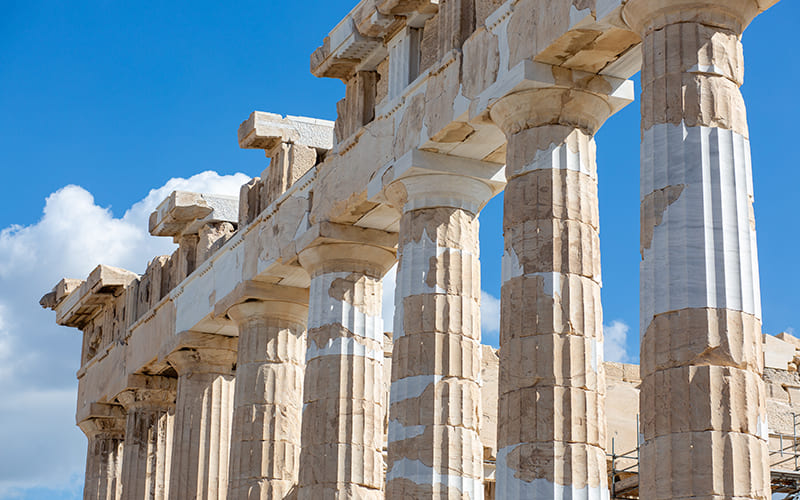
Today, thanks to conservation efforts, guides, improved access, and technology, monuments are not only preserved — they are lived. Their transformation into “visitable” spaces keeps them alive in collective memory and allows thousands of people to connect with history in a direct and emotional way.

















Sorry, the comment form is closed at this time.